In the heart of Minneapolis, where city life meets cozy neighborhoods, the security of your home is more than just a comfort—it’s a necessity. Locks that once safeguarded your sanctuary can quietly lose their effectiveness over time, leaving you vulnerable without even realizing it. Whether you’ve recently moved, lost a set of keys, or simply want peace of mind, knowing when to rekey your home locks is crucial. In this article, we’ll explore 10 telltale signs that it’s time to call in the locksmith and give your Minneapolis home a fresh start in security.
Table of Contents
- Recognizing When Your Locks Have Become Vulnerable
- Understanding the Impact of Lost or Stolen Keys
- Evaluating Security After Moving Into a New Minneapolis Home
- Assessing Wear and Tear on Your Locks Over Time
- The Importance of Rekeying Following a Break-In
- Choosing the Right Locksmith for Professional Rekeying Services
- Q&A
- Key Takeaways

Recognizing When Your Locks Have Become Vulnerable
Over time, your home’s security can silently degrade without you even realizing it. Locks that once felt sturdy might develop subtle weaknesses, making your property an easier target. You might notice issues like loose key turns, keys that stick or jam, or strange noises when locking and unlocking. These are more than just minor inconveniences—they’re warning signs that the internal mechanisms have become worn or compromised. Additionally, if you’ve ever misplaced a key, lent it to a friend, or recently moved into a new home, the chances that unauthorized copies exist increase, heightening your vulnerability.
Often overlooked, the environment surrounding your locks also contributes to their condition. Exposure to harsh weather, dirt buildup, or rust can erode the lock’s integrity much quicker than you expect. Consider the following indicators that hint at a weakened lock system:
- Difficulty turning the key smoothly
- Visible rust or corrosion on the lock body
- Door misalignment causing strain on the lock
- Multiple previous owners with unknown key copies
- Recent break-ins in the neighborhood
Understanding the Impact of Lost or Stolen Keys
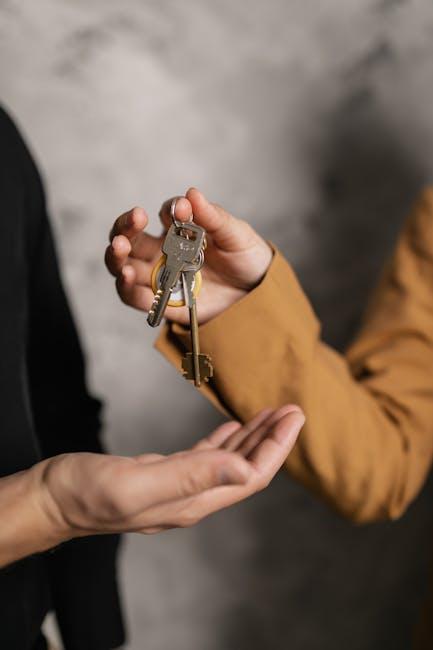
When keys go missing or fall into the wrong hands, the security of your entire home becomes vulnerable. Imagine how easy it is for an unauthorized individual to access your property without your knowledge, potentially putting your family and valuables at risk. Even if you think the lost key is harmless because it was misplaced within your circle of trusted people, it’s vital to consider that keys can be duplicated quickly, especially by locksmiths or hardware stores without proper identification. This silent threat often goes unnoticed until a break-in or theft occurs, making it crucial to take prompt action.
Rekeying your locks after losing your keys is one of the most effective ways to regain control and peace of mind. It’s a cost-effective alternative to replacing the entire locking system, and it changes the internal mechanism of your lock so old keys no longer work. To better understand the urgency, here’s a quick comparison that highlights the risks and benefits:
| Scenario | Risk Level | Solution | Cost Impact |
|---|---|---|---|
| Lost or Stolen Keys | High | Rekey the lock immediately | Low to Moderate |
| No Action Taken | Very High | Potential break-in, loss of property | Very High (due to theft/repairs) |
| Full Lock Replacement | Low | Replace all locks | High |

Evaluating Security After Moving Into a New Minneapolis Home
Settling into your new Minneapolis home is an exciting chapter, but it also calls for a thorough review of your security measures. Even if the previous owners assured you of the locks’ reliability, it’s wise to question who might still have keys. This uncertainty can put your peace of mind—and your belongings—at risk. Checking locks, assessing the integrity of doors and windows, and determining if outdated or worn-out hardware exists are crucial first steps. Urgency in addressing these concerns often translates to enhanced safety and control over who can access your sanctuary.
Before making any decisions, consider these key factors:
- Potential unauthorized key copies floating around
- Age and condition of existing locks and deadbolts
- Whether locks meet current security standards
- Presence of shared or heavy-traffic entry points
By methodically evaluating these elements, you empower yourself to decide if rekeying is the best action versus a full replacement. Remember, rekeying can be a cost-effective way to regain control of your home’s access without purchasing entirely new hardware, all while elevating your home’s security profile.
Assessing Wear and Tear on Your Locks Over Time
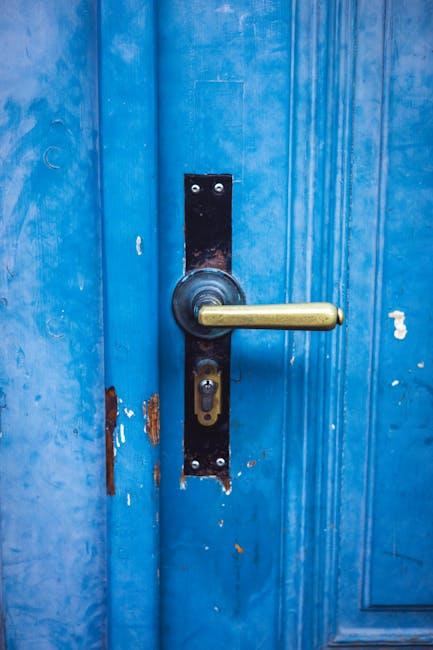
Locks are subjected to daily use and environmental factors that gradually erode their functionality. Over time, you might notice stiff key turns, inconsistent locking, or jamming—clear indicators that the internal mechanisms are wearing down. Components such as pins and springs inside the cylinder can become misaligned or damaged, which compromises your lock’s security and smooth operation. Even without visible damage, these subtle signs hint that the lock is nearing the end of its reliable lifespan.
Regular inspection can help you track the wear and tear effectively. Consider the following checklist to evaluate the condition of your locks:
- Difficulty in inserting or removing keys
- Unusual sounds when locking or unlocking
- Keys that feel loose or rattle inside
- Visible rust or corrosion on the lock surface
| Wear Indicator | Impact on Security | Recommended Action |
|---|---|---|
| Worn pins inside lock cylinder | Reduced pick resistance | Rekey or replace lock cylinder |
| Rust accumulation | Lock may seize | Clean and lubricate, consider rekeying |
| Misaligned internal components | Key may break or jam | Prompt rekeying advised |

The Importance of Rekeying Following a Break-In
After a break-in, the sense of violation extends beyond mere physical damage—your home’s security has been compromised, and your trust in your locks is shaken. Rekeying your locks is a critical step to restore control over who can access your property. Even if the intruder didn’t manage to take your keys, the possibility that duplicates exist or that locks were picked means your safety could still be at risk. Rekeying effectively deactivates old keys, ensuring that any unauthorized duplicates no longer work, giving homeowners a fresh start with new keys.
Ignoring the need to rekey after such an incident can leave your home vulnerable to repeat intrusions. The process is simpler and more affordable than full lock replacement and can often be completed quickly by a professional locksmith in Minneapolis. Consider the risks of not acting promptly:
- Potential access by previous key holders or intruders
- False sense of security with old locks and keys
- Increased anxiety over home safety
| Benefit | Reason |
|---|---|
| Cost-Effectiveness | Less expensive than replacing all locks |
| Time Efficiency | Quick service to restore security |
| Peace of Mind | Assures control over key access |
Choosing the Right Locksmith for Professional Rekeying Services
Q&A
Q&A:
Q1: What does “rekeying” a lock actually mean?
A1: Rekeying involves changing the internal pins of a lock so that it works with a different key. Essentially, your old key stops working, and a new key set operates the lock—without replacing the entire lock hardware.
Q2: Why should Minneapolis homeowners consider rekeying their locks?
A2: Whether it’s due to moving into a new home, lost keys, or security concerns, rekeying is a cost-effective way to ensure only authorized people have access. Minneapolis weather and neighborhood dynamics also make it smart to update security regularly.
Q3: What’s a common sign that it’s time to rekey your locks?
A3: Lost or stolen keys top the list. If you can’t be sure who has access to your keys, rekeying can prevent unwanted entry.
Q4: I just bought a new home in Minneapolis. Should I rekey?
A4: Absolutely. Previous owners, contractors, or realtors might still have keys. Rekeying guarantees you start fresh with complete control over your home’s access.
Q5: Does rekeying help if I’ve experienced a break-in attempt?
A5: Yes. If your lock was picked, damaged, or you suspect someone tried to enter unlawfully, rekeying enhances security by preventing that key or method from working again.
Q6: My locks are old and worn out. Can rekeying help?
A6: If the lock mechanism still functions reliably, rekeying is a budget-friendly upgrade. But if locks are physically damaged or extremely old, replacement might be better.
Q7: What if I want all my locks to use just one key?
A7: Rekeying can consolidate multiple locks to one key—a convenience called “master keying.” It simplifies your life and minimizes the number of keys you carry.
Q8: How quickly can a Minneapolis locksmith rekey my locks?
A8: Most professional locksmiths can rekey a lock within 15 to 30 minutes per lock, making it a quick and doable security upgrade.
Q9: Is rekeying expensive in Minneapolis?
A9: Compared to full lock replacement, rekeying is often more affordable. Prices vary by locksmith and number of locks but generally offer great value for increased security.
Q10: Can I rekey my locks myself?
A10: While DIY kits exist, rekeying requires precision and the right tools. Hiring a licensed Minneapolis locksmith ensures the job is done correctly and your home stays secure.
Final Thought:
Rekeying is a smart, efficient step Minneapolis homeowners can take to protect their homes. Recognizing these signs early helps you act before security risks turn into bigger problems.
Key Takeaways
In the intricate dance of home security, recognizing when it’s time to rekey your locks is a step you can’t afford to miss. Whether you’ve recently moved, lost a set of keys, or simply want peace of mind, these ten signs are your guideposts on the path to a safer, more secure home in Minneapolis. Stay vigilant, act promptly, and turn your locks into a fortress that guards not just your belongings, but your sense of sanctuary as well. After all, true security starts with the simple but powerful click of a well-rekeyed lock.