Picture this: you’re standing beside your locked car, keys nowhere in sight, and an urgent need to get going. The temptation to try a quick fix—jiggling a hanger, sliding a credit card, or fiddling with the lock—can be strong. But before you dive into a do-it-yourself rescue mission, it’s worth pausing to consider not just how to unlock your car without a key, but also why some methods are best left to the professionals. In this article, we’ll explore the clever techniques behind bypassing locked doors, unravel the risks hidden behind common DIY attempts, and shed light on safer, smarter solutions when you find yourself locked out. Because sometimes, the key to peace of mind is knowing when not to rely on your own hands.
Table of Contents
- Understanding the Risks Behind DIY Car Unlocking
- Common Techniques People Try and Why They Often Fail
- The Potential Damage Caused by Improper Unlocking Methods
- When Professional Assistance is the Smartest Choice
- How Certified Locksmiths Safeguard Your Vehicle and Security
- Preventive Tips to Avoid Getting Locked Out in the First Place
- Q&A
- In Retrospect

Understanding the Risks Behind DIY Car Unlocking
Attempting to unlock your car without professional help might seem like a quick fix, but it comes with a variety of pitfalls that are often underestimated. DIY methods can easily cause damage to your vehicle’s locking mechanism, potentially leading to expensive repairs. From scratched paint around the frame to broken door handles or jammed locks, the aftermath of a failed attempt is often costlier than calling a locksmith. Additionally, some tools used in these endeavors, like slim jims or coat hangers, require skill and finesse—without which you risk damaging internal electronics or airbags.
Beyond physical damage, there’s a significant security risk involved. Many DIY unlocking techniques can compromise your vehicle’s safety systems, unintentionally disabling alarms or unlocking the door without proper safeguards. Moreover, inaccurate methods could set off your car alarm, drawing unwanted attention or causing panic. Here’s a quick look at the potential consequences:
| Risk | Possible Outcome |
|---|---|
| Physical Damage | Broken locks, scratched paint, jammed doors |
| Security Breach | Disabled alarms, vulnerability to theft |
| Legal Issues | Misinterpretation as vehicle theft |
| Financial Costs | Repair bills exceeding locksmith fees |
Common Techniques People Try and Why They Often Fail
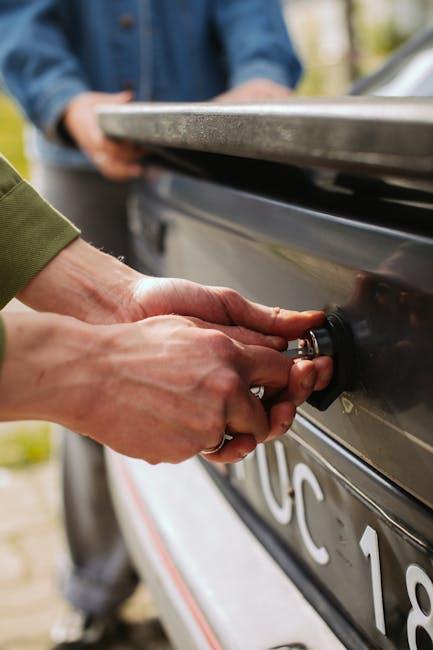
Many individuals attempt quick fixes like paperclip unlocking, coat hanger fishing, or using a wedge to pry the door open, hoping to dodge the hassle of calling a locksmith. However, these methods often backfire due to the sophisticated locking mechanisms in modern vehicles. The delicate balance of pins, tumblers, and electronic components makes forced entry attempts not only ineffective but also potentially damaging to the car’s lock system. Additionally, such DIY techniques require a level of precision and experience rarely possessed by amateurs, increasing the risk of breaking key parts and even triggering the alarm system.
Below is a quick comparison table highlighting why these common tactics often fail versus professional unlocking methods:
| Technique | Common Issues | Risk Level |
|---|---|---|
| Paperclip or Lock Pick | Requires skill; prone to breakage and lock damage | High |
| Coat Hanger Fishing | Limited visibility; can damage weather sealing and electronics | Medium |
| Door Wedge + Rod | May trigger alarms; risk of panel damage | Medium |
| Professional Locksmith Tools | Designed for minimal damage and high success rate | Low |
Ultimately, the sophisticated construction of modern car locks requires specialized tools and techniques that only experienced professionals have. Relying on amateur methods not only wastes time but can turn a simple lockout into a costly repair project. Playing it safe means trusting those who know exactly how to open your car without compromising its integrity.
The Potential Damage Caused by Improper Unlocking Methods
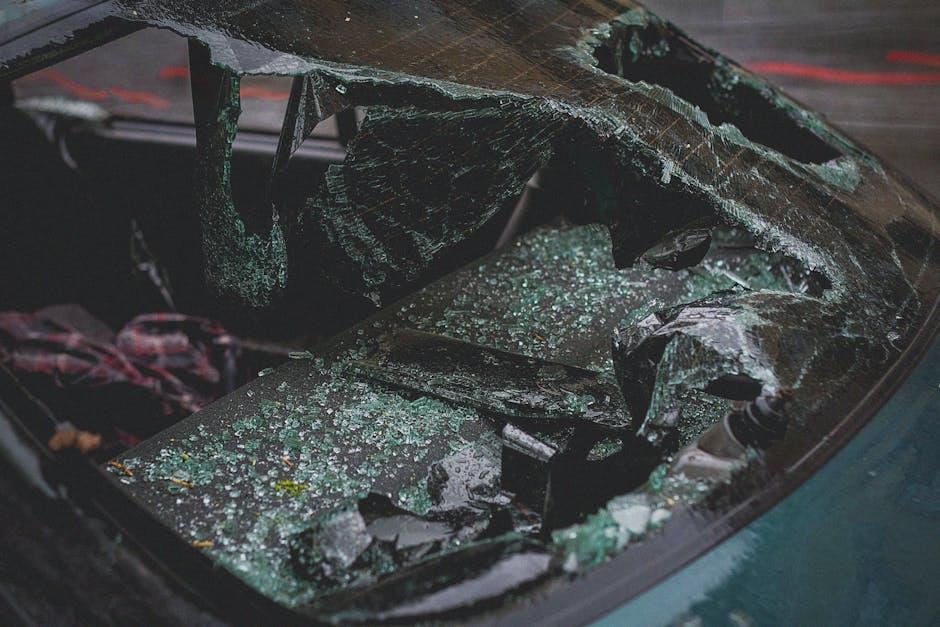
Attempting to unlock a car without the proper tools or expertise can lead to significant mechanical and electrical damage. For instance, using makeshift objects to manipulate the lock may scratch or bend the internal components, compromising the door’s functionality. In some cases, the airbags or wiring systems behind the door panel can be inadvertently disturbed, resulting in costly repairs. Even a simple mistake like applying excessive force can deform the lock mechanism, turning a minor inconvenience into a major expense.
Here’s a quick glance at some common damages caused by improper unlocking attempts:
- Damaged lock cylinders that require replacement
- Broken window seals due to prying tools
- Faulty central locking system from wiring interference
- Triggering alarm systems that create further issues
| Damage Type | Potential Consequence | Repair Cost Range |
|---|---|---|
| Lock Cylinder Damage | Door won’t lock/unlock properly | $100–$250 |
| Wiring Issues | Malfunctioning central lock/alarm | $150–$400 |
| Window Seal Damage | Water leaks and noise | $80–$200 |
When Professional Assistance is the Smartest Choice
Attempting to unlock your car without a key can seem like a straightforward fix, but it often involves intricate mechanisms and specialized tools. *Professional locksmiths* bring years of experience and knowledge that drastically reduce the risk of damaging your vehicle’s locks or electronics. Their expertise ensures the job is done efficiently, saving you from costly repairs or having to replace entire door panels. Moreover, professionals can assess your specific car model and tailor their approach, something DIY methods rarely account for, preventing further complications.
Choosing expert assistance also means benefiting from guaranteed service and peace of mind. Many locksmiths offer warranties or follow-up support in case of unexpected issues, an advantage unavailable with DIY solutions. Here’s why trusting the pros is worthwhile:
- Advanced Tools: Access to professional-grade picks and decoding devices.
- Damage Prevention: Avoid broken windows, scratched paint, or lock malfunctions.
- Legal Compliance: Proper handling of security measures without voiding insurance.
- Time Efficiency: Quick resolutions, especially important in emergencies.

How Certified Locksmiths Safeguard Your Vehicle and Security
Entrusting your vehicle’s security to certified locksmiths means benefiting from professionals trained in the latest unlocking techniques that guarantee damage-free entry. Their expertise ensures that delicate components like electronic locking systems and keyless entry sensors remain intact, preserving your car’s value and functionality. Beyond unlocking, these specialists provide comprehensive services such as key cutting, transponder programming, and security system upgrades, offering peace of mind that every aspect of your vehicle’s security is handled with precision.
- Advanced Tools: Use of specialized equipment minimizes risk.
- Professional Training: Knowledge of diverse vehicle makes and models.
- Reliable Service: Prompt response that prevents prolonged security vulnerabilities.
To illustrate the advantages, consider the quick comparison table below highlighting the difference between DIY attempts and professional services:
| Aspect | DIY Attempts | Certified Locksmith Services |
|---|---|---|
| Risk of Damage | High (broken locks, scratched windows) | Minimal (usage of safe, tested methods) |
| Speed of Entry | Variable (often lengthy) | Fast and efficient |
| Cost | Potentially higher (repairs after failed attempts) | Fair and transparent pricing |

Preventive Tips to Avoid Getting Locked Out in the First Place
Keeping yourself from locking out of your car starts with a few simple habits to integrate into your daily routine. Develop the habit of double-checking your keys before leaving your vehicle and organize a specific spot at home or in your bag where your keys always reside. These small behavioral tweaks drastically reduce the odds of spontaneous lockouts. Additionally, investing in a spare key and keeping it in a safe, accessible location is a classic yet highly effective precaution—consider giving a spare to a trusted friend or family member.
Technology can also be your ally. Utilizing key finders and smart keychains equipped with Bluetooth tracking helps you keep tabs on your keys via your smartphone, cutting down frantic searches. For those with keyless entry systems, staying vigilant about battery life and software updates can prevent unexpected lock failures. Below is a quick checklist to reinforce your preventative strategy:
- Always carry a spare key and avoid keeping it inside the car.
- Use key finders or smart trackers linked to your phone apps.
- Establish a consistent habit of placing keys in a dedicated spot.
- Regularly maintain your keyless entry system’s battery and firmware.
Q&A
Q: What are some common methods to unlock a car without a key?
A: People often try using a coat hanger, a slim jim, or even a shoelace to unlock their car doors when keys are lost or locked inside. Some also use tools like a wedge and long reach tool to create space and pull the lock mechanism. However, these methods require skill to avoid damaging the vehicle.
Q: Is it safe to attempt unlocking a car without a key by yourself?
A: Generally, no. DIY attempts can easily damage weather stripping, scratch paint, or break internal locking mechanisms. Without expertise, you risk turning a simple lockout into an expensive repair job.
Q: Why might someone consider unlocking their car without a key?
A: Situations such as losing your car keys, locking them inside the car, or a malfunctioning key fob might tempt a quick DIY fix. The urgency is understandable, especially if you’re in a hurry or in an unsafe location.
Q: What are the risks involved in DIY car unlocking?
A: Besides potential physical damage to your vehicle, you might accidentally trigger the car’s alarm, cause electronic lock failures, or get injured trying to manipulate unfamiliar tools. Additionally, improper methods can make it difficult for professionals to assist later.
Q: What is the recommended course of action if you’re locked out of your car?
A: Contact a professional locksmith or your car dealership. They have specialized tools and training to unlock your vehicle safely and efficiently. Many locksmiths can also make replacement keys on the spot.
Q: Can modern cars be unlocked without keys easily?
A: Modern vehicles often have advanced locking systems integrated with alarms and immobilizers, making traditional DIY methods ineffective and riskier. High-tech security measures mean that professional help is usually the safest option.
Q: Are there any legal concerns with unlocking a car without a key?
A: Yes. Attempting to unlock a car that isn’t yours or without proper authorization can lead to legal consequences. Always verify ownership before attempting any unlocking methods to avoid misunderstandings.
Q: What preventive tips can help avoid car lockouts?
A: Spare keys stored in secure places, keyless entry apps, and routine checks can reduce lockout chances. Some people also use Bluetooth trackers attached to keychains for quick location.
Q: In creative terms, why should you resist the DIY urge to unlock your car?
A: Think of your car as a complex puzzle box rather than a simple door—forcing it open with improvised tools is like smashing a fine piece of art to see what’s inside. The damage and cost may far outweigh the inconvenience of waiting for expert help.
Q: Summing it up, why is professional help the best choice?
A: Professionals combine knowledge, tools, and experience to unlock your car with minimal risk and maximum efficiency. When the locks resist your keyless attempts, calling a locksmith is the smartest and safest escape plan.
In Retrospect
In the end, while the allure of unlocking your car without a key might spark a quick fix in a moment of frustration, it’s a path best tread with caution. The temptation to DIY can lead to unintended damage, increased costs, and even legal trouble. Sometimes, the smartest move is knowing when to call in the professionals—those who have the right tools, skills, and wisdom to get you back on the road safely and swiftly. So next time you find yourself locked out, remember: patience and the right help are the true keys to unlocking peace of mind.