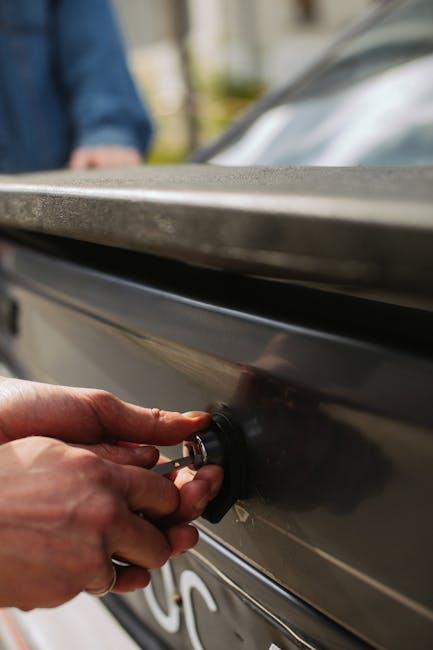
Picture this: you’re standing outside your car, keys jingling in your pocket—only to realize they’re nowhere to be found. The door is locked tight, and panic begins to creep in. In moments like these, the temptation to try unlocking your car yourself can be strong. After all, how hard can it be to slip a tool in, jiggle a lock, or pop the door open? But before you channel your inner locksmith, it’s important to understand not only the methods available to unlock a car without a key, but also the risks and consequences that come with going the DIY route. This article delves into practical techniques for unlocking your car when you’re locked out—and explores why, sometimes, calling a professional is the wiser choice.
Table of Contents
- Understanding Common Reasons for Locked Car Doors
- Exploring Safe Methods to Access Your Vehicle Without a Key
- The Hidden Risks of Attempting to Unlock Your Car Yourself
- How Professional Locksmiths Handle Keyless Car Entry
- When to Call for Professional Help Versus Trying a DIY Approach
- Protecting Your Car from Lockouts in the Future
- Q&A
- To Conclude

Understanding Common Reasons for Locked Car Doors
Car doors can lock unintentionally for a variety of frustrating reasons—many of which stem from everyday situations. Sometimes, it’s as simple as a key fob malfunction caused by a dead battery or signal interference. Other times, the culprit might be a child, pet, or even a gust of wind triggering the auto-lock feature before you’ve had a chance to enter. In rare cases, mechanical failures like broken lock rods or jammed door handles might prevent the lock from disengaging, leaving you stranded outside your own vehicle.
Understanding the root causes can save you time and prevent panic. Here’s a quick look at some of the most common reasons your car doors may lock unexpectedly:
- Electronic glitches: Key fobs or smart systems misfire, causing unexpected locks.
- User error: Forgetting keys inside or the auto-lock engaging prematurely.
- Security features: Factory or aftermarket systems that automatically lock your doors.
- Mechanical issues: Rusted or broken components within the locking mechanism.
| Reason | Why It Happens |
|---|---|
| Key Fob Failure | Batteries die or signal interference occurs |
| Wind or Movement | Auto-lock triggers when doors close abruptly |
| Child/Pet Lock | Pressing buttons accidentally inside the car |
| Mechanical Breakdown | Worn-out parts hinder lock/unlock functions |

Exploring Safe Methods to Access Your Vehicle Without a Key
When you find yourself locked out, the safest approach is to seek professional help. Certified locksmiths equipped with specialized tools can gain entry to your vehicle without causing damage. Often, they can quickly bypass the lock or safely decode your car’s security system. Another option is to use roadside assistance services, provided by many insurance companies or auto clubs, which can dispatch experts to your location promptly. These methods not only protect your vehicle but also ensure you stay on the right side of the law.
Attempting to unlock your car without a key through improvised techniques or DIY gadgets can lead to costly consequences. Struggling with tools like slim jims, wire hangers, or coat hangers might scratch your paint, damage internal components, or trigger your alarm system. Instead, consider these professional alternatives:
- Mobile locksmith services for quick, damage-free unlocking.
- Manufacturer’s roadside assistance, often free with new cars.
- Police assistance in emergency situations, particularly if child safety is involved.
| Method | Pros | Cons |
|---|---|---|
| Professional Locksmith | Fast, low risk of damage | Service fees apply |
| Roadside Assistance | Often included in plans | Wait time varies |
| DIY Methods | Immediate, no extra cost | High risk of damage |
The Hidden Risks of Attempting to Unlock Your Car Yourself
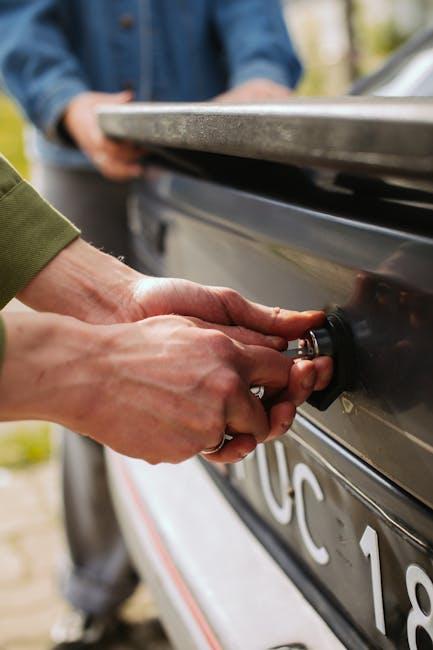
Many people underestimate the complexity involved in unlocking a car without a key, often leading them to resort to DIY methods that seem simple enough on the surface. However, what appears to be a quick fix can easily escalate into costly damage. For example, using improvised tools like wire hangers or coat hangers to shim the lock mechanism can severely scratch or bend your car’s door frame, potentially compromising its ability to close properly. Moreover, manual attempts to unlock modern cars can inadvertently trigger security systems, resulting in a locked-down vehicle that needs professional intervention to reset.
Here are some hidden risks you might not consider:
- Damaging electrical components within the door panel
- Triggering car alarms or immobilizers
- Voiding car warranty due to physical tampering
- Causing misalignment that affects window function
- Personal injury from using improper or sharp tools
| DIY Method | Potential Damage | Complexity Level |
|---|---|---|
| Using coat hangers to unlock door | Bent door frame, scratched paint | Moderate |
| Prying with screwdrivers or flat tools | Broken seals, damaged lock cylinder | High |
| Using slim jims without knowledge | Dislodged door panel, jammed locks | High |
How Professional Locksmiths Handle Keyless Car Entry
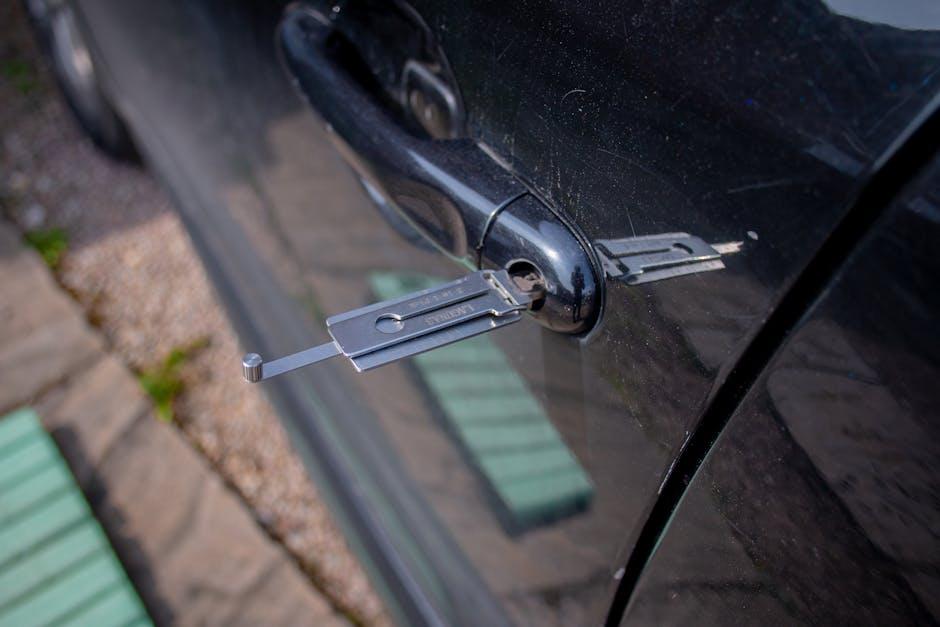
When it comes to keyless car entry, professional locksmiths employ precise, advanced techniques that go beyond simple lock-picking methods. Equipped with specialized tools such as signal amplifiers and electronic key programmers, they can safely access your vehicle while ensuring no damage is done to its electronic systems. Technicians analyze the vehicle’s make and model to determine the optimal entry method, often using diagnostic devices that interact directly with the car’s onboard computer.
Here’s how they maintain safety and efficiency during the process:
- Utilizing encrypted signal methods that mimic the car’s key fob without triggering alarms.
- Accessing specific manufacturer protocols to prevent system malfunctions or lockouts.
- Employing reset and reprogramming tools to securely restore functionality after entry.
| Technique | Purpose | Benefit |
|---|---|---|
| RFID Signal Cloning | Mimics key fob’s encrypted signal | Non-destructive and quick access |
| OBD Port Access | Interfaces with car’s computer system | Allows electronic unlocking and programming |
| Relay Attack Prevention | Secures signal transmission | Prevents unauthorized entry |

When to Call for Professional Help Versus Trying a DIY Approach
Knowing when to reach out to a professional locksmith instead of attempting a DIY solution can save you from costly damages and frustrating delays. If the lock appears damaged, the mechanism feels stiff, or you don’t have the right tools, it’s time to pause and consider expert help. Attempting to force the lock or use makeshift tools often results in scratched windows, broken lock cylinders, or even triggering your car’s alarm system. Professionals carry specialized equipment and know how to handle different car models without compromising the integrity of your vehicle.
Here’s a quick guide to help you decide:
- DIY Approach: When you accidentally lock keys inside a simple door lock or if you have a spare key to assist with the process.
- Call a Professional: When the car uses complex electronic locking systems, you’re unsure about the lock type, or when previous attempts have failed.
| Situation | Recommended Action |
|---|---|
| Basic manual lock | Try DIY with care |
| Electronic or keyless entry | Contact a locksmith |
| Visible lock damage | Call for professional assistance |
| No appropriate tools | Seek expert help |
Protecting Your Car from Lockouts in the Future
Preventing future lockouts begins with smart habits and a little foresight. Consider keeping a spare key in a secure but accessible place, such as a magnetic box hidden underneath your car or with a trusted friend or family member. Using a keyless entry system with remote access or smartphone integration can also help you avoid the traditional lock-and-key dilemma altogether. Regularly checking that your keys are on your person before exiting the vehicle is a simple yet effective practice that saves you from unnecessary frustration.
Additionally, investing in tools designed to prevent lockouts can make a significant difference. Below is a handy comparison of popular preventive methods:
| Method | Advantages | Considerations |
|---|---|---|
| Spare Key Storage | Easy access, low cost | Risk of theft if poorly concealed |
| Keyless Entry System | Convenient, remote unlocking | Requires battery/power, costlier |
| Routine Check Habits | No cost, increases mindfulness | Depends on personal discipline |
By taking these proactive steps, you reduce dependency on urgent locksmith services and avoid potential damage caused by improper DIY unlocking attempts. Protect your vehicle and enjoy peace of mind knowing you’re prepared for any situation.
Q&A
Q: What are some common methods to unlock a car without a key?
A: People often try using a coat hanger, a shoelace, or a slim jim to unlock their car doors when keys are lost. Others attempt to use a wedge and a long reach tool to manipulate the lock mechanism from the inside. Some even consider calling a locksmith or roadside assistance for professional help.
Q: Why is attempting to unlock a car without a key often discouraged?
A: Unlocking a car without a key can easily damage the vehicle’s locking system, paint, or windows. Modern cars have sophisticated security systems that can be triggered or broken by DIY attempts, leading to costly repairs. Moreover, unauthorized unlocking can raise suspicion about vehicle theft.
Q: Can trying to unlock your car without professional help cause legal problems?
A: In most places, if you own the car, unlocking it yourself is not illegal. However, if you damage the vehicle in the process, insurance claims might be complicated. Also, attempting to open someone else’s car without permission is illegal and can result in criminal charges.
Q: What’s the safest way to unlock a car if you don’t have your keys?
A: The safest and most reliable solution is to contact a certified locksmith or roadside assistance service. Professionals have the right tools and expertise to unlock your car without causing damage. They can also help if your keys are locked inside or lost.
Q: Are there any modern technologies that can help avoid this problem entirely?
A: Yes! Many newer vehicles come equipped with keyless entry systems and apps that allow owners to unlock the car remotely. Smart keys and biometric security features can also provide convenient, damage-free access.
Q: Why is it important to avoid DIY unlocking despite seeming easy?
A: Although DIY methods may appear quick and cost-effective, the risk of damaging your vehicle or triggering alarms can lead to expensive repairs and inconvenience. It’s also easy to make mistakes that complicate your situation. Trusting a professional prevents these headaches and protects your car’s integrity.
Q: What proactive steps can drivers take to avoid getting locked out?
A: Keeping a spare key in a secure place, using keyless entry technology, and routinely checking that keys are on hand before locking the car are simple but effective strategies. Additionally, having the contact information of a trusted locksmith saved in your phone can save time in emergencies.
Q: Is there ever a scenario where DIY unlocking might be justified?
A: In urgent situations—such as a child or pet locked inside on a hot day—DIY methods might be necessary if professional help is not immediately available. However, one should proceed with extreme caution and prioritize safety over convenience.
To Conclude
In the end, while the temptation to unlock your car without a key may feel like an immediate fix, it’s a road best traveled with caution. The shortcuts and DIY tricks might promise quick relief, but they often come with hidden costs—damage, expense, and even safety risks. Sometimes, the smartest key you can have is knowing when to call in the professionals. After all, keeping your vehicle secure and intact is the real win, and a little patience now can save a lot of trouble down the road.