Picture this: you’re rushing to an important meeting, only to realize your car keys are nowhere to be found. The door is locked tight, and panic starts to creep in. In moments like these, the urge to try unlocking your car without a key can be overwhelming. But before you reach for a paperclip or coat hanger, it’s important to understand not just how to unlock a car without a key—but also why attempting a DIY unlock can lead to more trouble than it’s worth. This article will explore the methods people use to bypass locked doors, the risks involved, and why calling a professional is often the smartest move.
Table of Contents
- Understanding the Risks of Unlocking Your Car Without a Key
- Common Methods Used to Unlock Cars and Their Limitations
- Why Professional Help Is the Safest Choice for Unlocking Your Vehicle
- Potential Damage and Legal Issues from DIY Car Unlocking
- How to Prevent Getting Locked Out in the First Place
- Choosing a Reliable Locksmith and What to Expect During Service
- Q&A
- In Conclusion
Understanding the Risks of Unlocking Your Car Without a Key
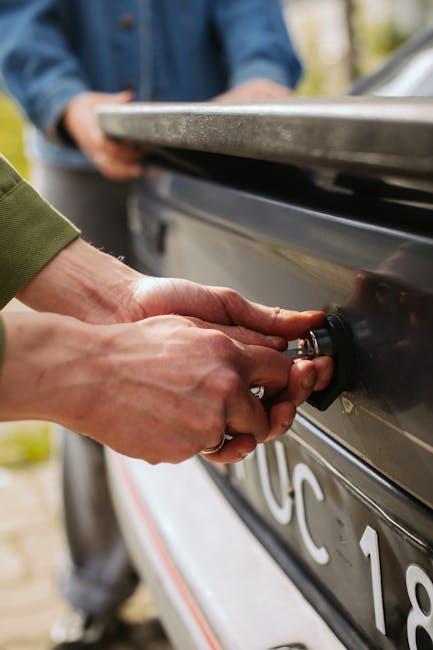
When you attempt to unlock your car without a key, you’re navigating a minefield of potential risks—not just to your vehicle, but also to your safety and wallet. Using improvised tools like wire hangers, slim jims, or even DIY lock-picking kits can easily damage the delicate internal locking mechanisms, causing expensive repairs that often exceed the cost of professional assistance. Beyond physical harm to your car, there’s also the risk of triggering the alarm system or immobilizer, which may leave you stranded longer than expected. Even seemingly harmless attempts can result in scratches, broken windows, or bent door panels, diminishing the vehicle’s value over time.
Key risks to consider include:
- Permanent damage to locking mechanisms and electronics.
- Compromised security if the lock cylinder or door is weakened.
- Legal implications if unlocking someone else’s vehicle improperly.
- Personal injury from sharp tools or broken glass.
Attempting a DIY car unlock might seem like a quick fix, but the consequences often outweigh the convenience. Considering the complexity of modern vehicles’ security systems, experts recommend always opting for professional services, which are equipped to handle these situations without collateral damage. This ensures both your vehicle’s integrity and your peace of mind remain intact.
Common Methods Used to Unlock Cars and Their Limitations
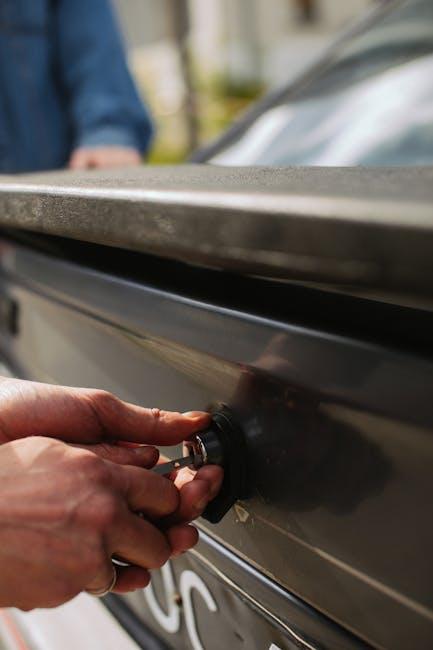
When it comes to opening your locked car, many resort to a handful of commonly known methods, each with its pitfalls. Techniques like using a coat hanger to manipulate the lock or sliding a wedge to create space for unlocking are popular in DIY circles. While these might seem straightforward, they often require a delicate touch and a fair amount of patience. Erroneous attempts can easily result in scratched paint, broken windows, or bent door frames, transforming a simple inconvenience into a costly repair. Additionally, modern vehicles equipped with electronic locks and alarms limit the success of these old-school approaches.
Other popular tactics include using a slim jim, lockout tools, or even calling roadside assistance apps that promise quick unlocks. Yet, these tools and services come with their own restrictions:
- Slim Jim: Risk of damaging wiring inside the door panel and often incompatible with cars utilizing advanced locking systems.
- Lockout Tools: Require significant knowledge and may trigger alarms or immobilize security systems.
- Mobile Apps/Roadside Assistance: Depend on vehicle compatibility and subscription services, sometimes involving wait times you may not anticipate.
| Method | Effectiveness | Main Limitation |
|---|---|---|
| Coat Hanger | Low | Risk of damage to door and lock |
| Slim Jim | Medium | Car compatibility and wiring risks |
| Roadside Assistance Apps | High | Subscription required, wait times |
Why Professional Help Is the Safest Choice for Unlocking Your Vehicle
Entrusting a professional to unlock your vehicle ensures not only a swift resolution but also the preservation of your car’s integrity. Attempting to bypass locks without the proper tools or skills can lead to damage ranging from scratched paint and shattered windows to compromised locking mechanisms. Certified locksmiths utilize advanced, non-invasive methods that are specifically designed to handle modern security systems, preventing unnecessary repair costs that DIY attempts often incur.
When choosing professional help, you gain:
- Expertise: Knowledge of diverse lock types and security systems.
- Specialized Tools: Equipment tailored for safe, efficient unlocking.
- Liability Protection: Insurance coverage that protects your vehicle during service.
- Time Efficiency: Rapid response to minimize inconvenience and stress.
| Aspect | DIY Attempts | Professional Service |
|---|---|---|
| Risk of Damage | High | Minimal |
| Tools Required | Generic or Improvised | Specialized Equipment |
| Time Spent | Potentially Hours | Typically Minutes |
| Warranty Impact | Possible Voiding | Maintained |
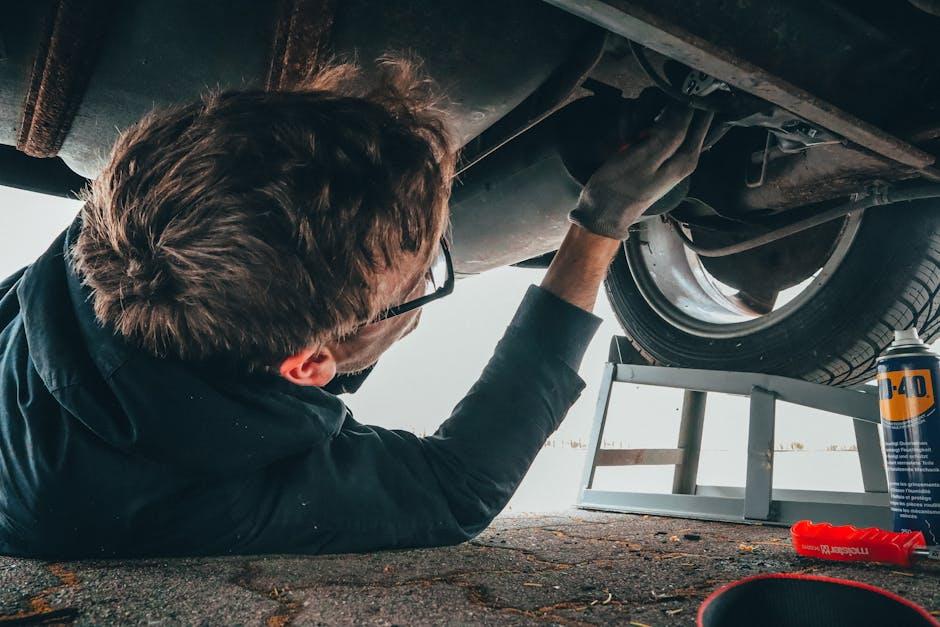
Potential Damage and Legal Issues from DIY Car Unlocking
When attempting to unlock a car without professional help, the risk of inflicting serious damage is high. Modern vehicles are equipped with intricate locking mechanisms and electronic security systems that can be easily compromised by untrained hands. For example, using improper tools might scratch windows, bend door frames, or disable electronic components such as keyless entry systems. This can lead to costly repairs far exceeding the price of locksmith services or a replacement key. Additionally, the presence of airbags and delicate wiring inside doors means even a simple pry can escalate into extensive technical issues that endanger both the vehicle’s integrity and safety.
Beyond physical damage, unauthorized unlocking attempts may pose significant legal risks. Many jurisdictions classify forced entry—even with good intentions—as a criminal act, potentially leading to charges of vandalism or attempted theft. This is especially true if the incident is misinterpreted by law enforcement or third parties. Here’s a quick overview of some possible legal repercussions:
| Potential Legal Issues | Description |
|---|---|
| Criminal Charges | Breaking and entering laws may apply, even for personal property. |
| Insurance Complications | Claims can be denied if damage is due to unauthorized forced entry. |
| Civil Liability | Cost recovery lawsuits if damage affects leased or borrowed vehicles. |
| Legal Fines | Monetary penalties for violation of local property protection laws. |
Considering these risks, the safest and most responsible course is to avoid DIY unlocking attempts and seek professional support. Not only does this protect your vehicle from unintended harm, but it also ensures compliance with local laws—safely unlocking your car without unnecessary complications.
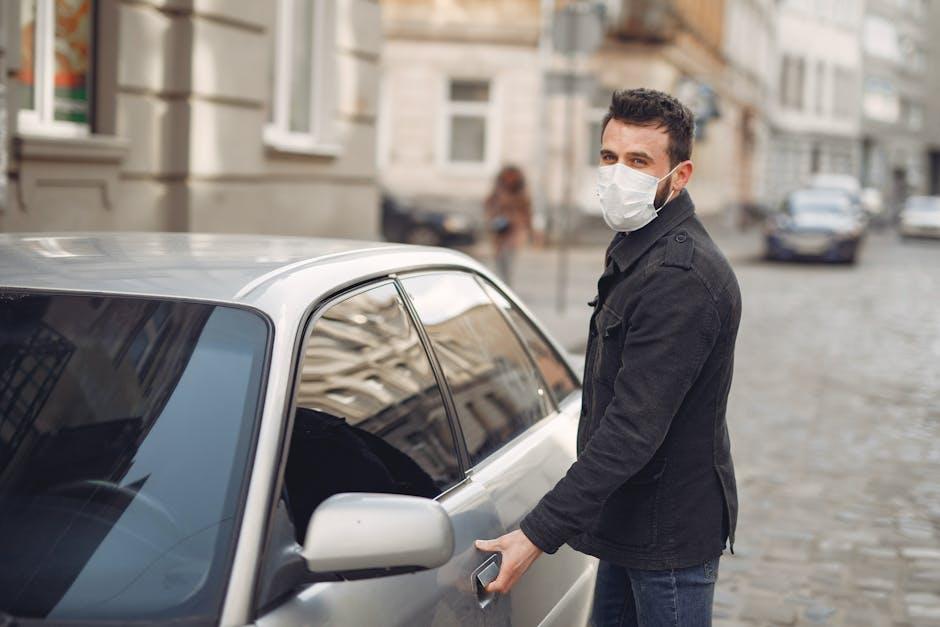
How to Prevent Getting Locked Out in the First Place
Preventing a lockout starts with small, consistent habits that save big hassles down the road. Always keep a spare key in a secure place—consider giving it to a trusted family member or close neighbor. Use key holders with alarms or tracking devices that alert you if your keys are out of range or misplaced. Additionally, try to develop a routine of placing your keys in the same spot every time you enter your home or office; this simple step drastically cuts down the chances of losing them.
Technology can also be your best ally. Modern vehicles often come equipped with keyless entry systems—take advantage of smartphone apps or key fobs to avoid traditional lockouts. Consider investing in roadside assistance programs or car insurance that includes lockout services, ensuring professional help is just a call away. Here’s a quick snapshot of reliable preventive measures:
| Prevention Tip | Why It Helps |
|---|---|
| Spare Key Storage | Emergency backup accessible to trusted individuals |
| Consistent Key Placement | Reduces misplacement through habit |
| Key Tracking Tech | Instant alerts when keys go missing |
| Roadside Assistance | Quick professional lockout support |
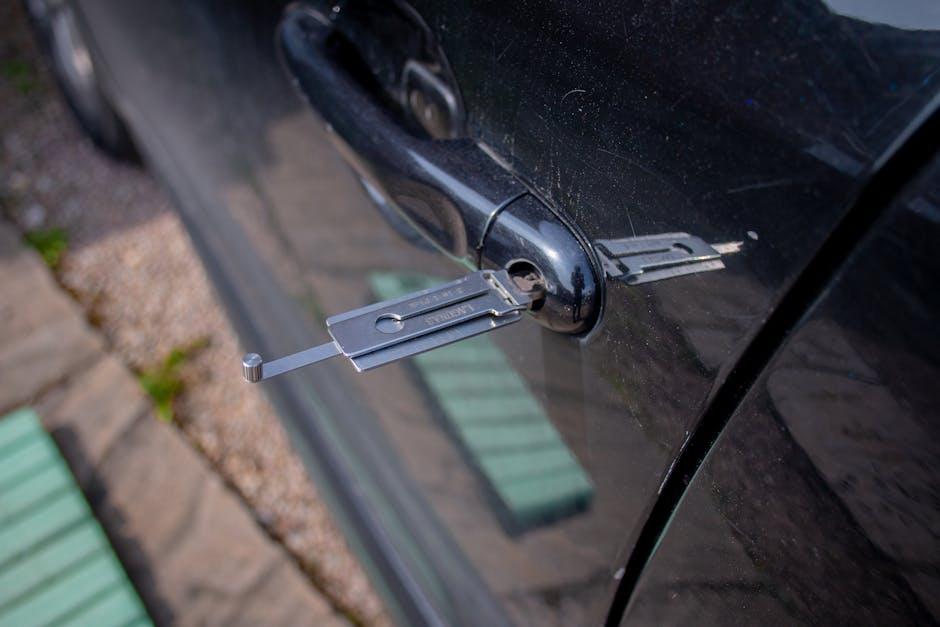
Choosing a Reliable Locksmith and What to Expect During Service
When faced with a locked car, turning to a trusted locksmith can save you time, money, and frustration. But how do you pinpoint one when there are countless options? Start by seeking locksmiths with valid certifications and positive customer reviews. A reliable locksmith typically offers 24/7 availability, transparent pricing, and insurance coverage to protect both you and your vehicle. Never hesitate to ask for proof of credentials or an upfront quote before agreeing to services—these small steps ensure professionalism and avoid unexpected costs.
Understanding what unfolds during the service can provide peace of mind and set realistic expectations. Upon arrival, the locksmith will assess your vehicle’s locking mechanism without causing damage, often employing specialized tools tailored for your make and model. The process typically includes:
- Verification of vehicle ownership
- Non-destructive entry techniques
- On-the-spot key programming or physical unlocking
- Post-service advice on lock maintenance
By trusting a professional, you safeguard your car’s security system and avoid costly repairs that can arise from DIY attempts.
Q&A
Q&A:
Q1: What are some common methods people use to unlock a car without a key?
A1: People often try using tools like coat hangers, wire hangers, or slim jims to pry open their car doors. Others may attempt to unlock via the trunk, use a shoelace to manipulate the lock, or even call a locksmith or roadside assistance for help.
Q2: Can using a coat hanger or similar tool to unlock my car actually work?
A2: While it’s sometimes possible to unlock older vehicles using improvised tools, modern cars have sophisticated locks and electronic security systems that make this method largely ineffective—and it risks damaging your vehicle.
Q3: What risks are involved with trying to unlock a car yourself?
A3: DIY attempts can scratch or break your window, damage electronic locking mechanisms, trigger the car alarm, or cause permanent damage to your door or locking system. This could lead to costly repairs or even lock you out for longer.
Q4: Are there safer alternatives if I’ve locked my keys inside the car?
A4: Yes! The safest approach is to contact a professional locksmith or roadside assistance service. These experts have the right tools and expertise to unlock your car quickly and without damage. Many insurance plans or roadside assistance memberships cover such emergencies.
Q5: Why shouldn’t I try hot-wiring or other more extreme methods?
A5: Hot-wiring is illegal in many places and can cause severe damage to your vehicle’s ignition and electrical systems. It’s best left to professionals—or better yet, avoided altogether.
Q6: How can I prevent getting locked out of my car in the first place?
A6: Consider carrying a spare key with you, investing in a magnetic key holder hidden under the vehicle, or using smart key technology and apps that allow remote unlocking. Staying mindful and double-checking before locking your car can save you time and trouble.
Q7: Is it ever okay to try unlocking a car on your own?
A7: If you’re dealing with an older model and have some experience, it might be possible. But for most modern cars, the risk of damage and failure is high. When in doubt, calling a professional is the safest bet.
Unlocking your car without a key might seem like a tempting DIY challenge, but the potential costs—in both money and stress—often outweigh the benefits. When you’re locked out, think twice before grabbing that coat hanger, and reach out to the experts instead.
In Conclusion
In the end, while the idea of unlocking your car without a key might seem like a quick fix to a frustrating problem, it’s a path best tread with caution. The subtle art of unlocking a car is fraught with risks—from damaging your vehicle to compromising its security. Sometimes, the smartest move is knowing when to call in the pros rather than wielding makeshift tools yourself. After all, a bit of patience and expert help can save you from a world of headaches down the road. So next time you find yourself locked out, remember: your car’s safety—and your peace of mind—are worth more than a DIY shortcut.