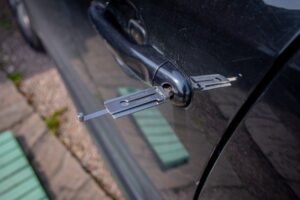
Picture this: you’re standing outside your car, keys nowhere to be found, the clock ticking, and a growing sense of frustration settling in. The idea of unlocking your car without a key might seem like a handy life hack, especially in moments of desperation. But before you reach for that coat hanger or dive into a YouTube tutorial, it’s worth pausing to consider the hidden risks behind the do-it-yourself approach. In this article, we’ll explore various methods people use to unlock cars without keys—and delve into why leaving it to the professionals is usually the safer, smarter choice. Whether fueled by curiosity or necessity, understanding both the how and the why can save you time, money, and a lot of headaches down the road.
Table of Contents
- Understanding the Risks of Unlocking Your Car Without a Key
- Common Methods People Try and Why They Often Fail
- The Potential Damage Caused by DIY Unlocking Attempts
- When to Call a Professional Locksmith for Help
- How to Safeguard Your Car Against Lockouts
- Legal Considerations and Liability Issues in Car Lockouts
- Q&A
- Closing Remarks
Understanding the Risks of Unlocking Your Car Without a Key
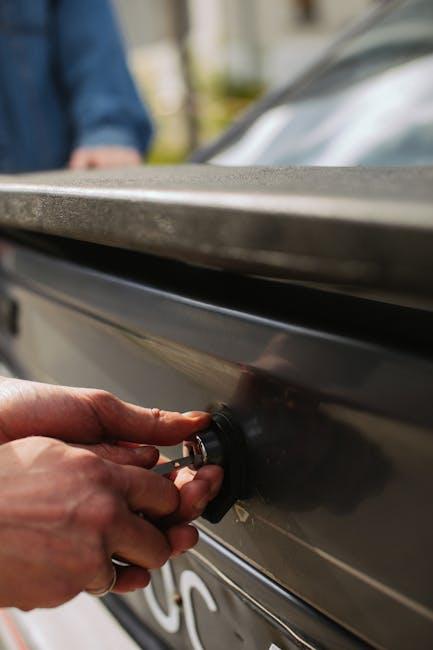
Trying to open your car without the proper key might seem like a quick fix in a pinch, but it’s fraught with hidden dangers. Using makeshift tools or unconventional methods can easily damage delicate components such as the locking mechanism or electronic systems. These damages often lead to costly repairs that far outweigh the convenience of a DIY approach. Moreover, many modern vehicles have security features designed to detect tampering, which could inadvertently trigger alarms or immobilize the car altogether.
Aside from mechanical risks, unauthorized attempts to unlock a vehicle can raise legal issues. In some jurisdictions, even well-intentioned DIY unlocking can be mistaken for theft or vandalism, potentially leading to fines or other legal consequences. Here’s a quick overview of the key risks:
- Physical Damage: Broken locks, scratched windows, or bent door frames.
- Security Triggers: Alarm activation or immobilizer engagement.
- Legal Implications: Misunderstandings that could involve law enforcement.
| Risk Type | Potential Consequence | Estimated Repair Cost |
|---|---|---|
| Lock Damage | Door won’t lock/unlock properly | $150 – $500 |
| Electronic Malfunction | Alarm or immobilizer failure | $300 – $1,000 |
| Legal Trouble | Fines or legal fees | Varies widely |
Common Methods People Try and Why They Often Fail
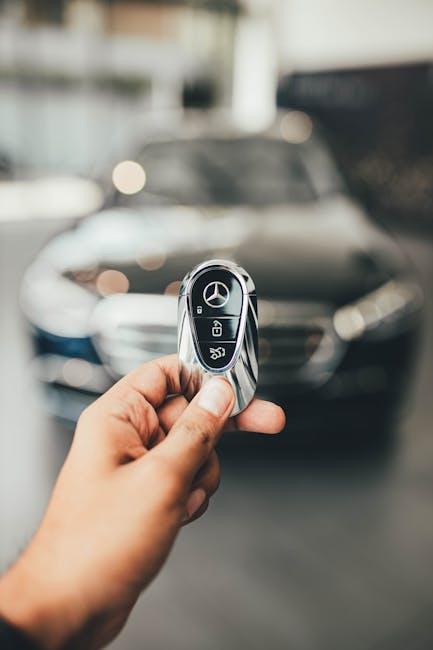
When faced with a locked car, many instinctively reach for familiar, quick-fix solutions. They might try using a coat hanger to jimmy the lock, a shoelace to slide the lock mechanism, or even attempt to unlock the door with a slim jim tool purchased online. These methods sound simple in theory, but without the proper experience, they often lead to damage rather than success. For instance, a coat hanger can scratch the inside of your door panel or bend out of shape, while using force with a slim jim can damage electrical components inside modern car doors.
Below is a quick overview of some common methods people try, why they seem appealing, and the typical reasons they fail:
| Method | Why It’s Popular | Why It Often Fails |
|---|---|---|
| Coat Hanger | Readily available and inexpensive | Can damage door lining and doesn’t work on newer models |
| Slim Jim | Designed specifically for unlocking | Requires skill; modern cars have shielded locks |
| Shoelace | Simple materials, easy to try | Works only on older knob locks, rare today |
| Lock Picking Sets | Appears professional and promising | Legal restrictions, difficult without training |
The Potential Damage Caused by DIY Unlocking Attempts
Attempting to unlock your vehicle without a key can often result in unintended damage, far outweighing the inconvenience of being locked out. Many DIY methods involve using improvised tools that can scratch or dent your door, not to mention the risk of bending or breaking the internal locking mechanisms. What starts as a simple puzzle quickly turns into a costly repair, sometimes requiring the replacement of entire door panels or sophisticated electronic components.
Here’s what you might unintentionally cause by trying to unlock your car on your own:
- Scratched paint or window glass damage from inserted tools.
- Broken weatherstripping allowing water and debris inside.
- Compromised electronic locks leading to expensive diagnostics.
- Dented doors or frames that affect your car’s aesthetics and resale value.
| Type of Damage | Potential Repair Cost | Impact on Vehicle |
|---|---|---|
| Scratched Door Paint | $150 – $400 | Visible cosmetic damage |
| Broken Locking Mechanism | $300 – $700 | Security risk, lock malfunction |
| Damaged Weatherstripping | $80 – $200 | Water leaks, interior damage risk |
| Dented Door Frame | $500 – $1,000+ | Structural and resale value loss |
When to Call a Professional Locksmith for Help
When facing a car lockout, especially under stressful conditions like freezing weather or a late-night scenario, it’s crucial to know when to step back and call in the experts. Attempting to unlock your car using makeshift tools can lead to costly damages—not just to your lock mechanism but potentially to your vehicle’s bodywork and electronic systems. A professional locksmith has the right tools and experience to open your car quickly, safely, and without causing unwarranted damage, saving you both time and money in the long run.
Consider reaching out for professional help in situations such as:
- Modern car locks: Keyless entry or electronic locking systems require specialized expertise.
- Damaged or frozen locks: DIY methods might worsen the damage or jam the locks permanently.
- Locked keys inside: Professionals can retrieve keys without breaking windows or damaging the interior.
- Emergency urgency: If you’re stranded in an unsafe location or need rapid access, locksmiths provide fast response times.

How to Safeguard Your Car Against Lockouts
Preventing a lockout starts with smart preparation and simple habits. Always keep a spare key in a secure place outside your vehicle, such as at home or with a trusted friend. Equipping your car with keyless entry or a smartphone app that allows remote unlocking can also be a game-changer. Another clever tip is to develop a habit of checking your pockets or bag for your keys before closing the door, especially during hurried moments. Additionally, invest in a reliable car key tracker — these small gadgets connect to your phone and alert you if you leave your keys behind.
Technology aside, physical measures can greatly reduce lockout chances:
- Magnetic key holders: Place a hidden, magnetized box under your car where a spare key can live.
- Routine maintenance: Ensure your locks and key fobs are functioning smoothly to avoid malfunctions when you need them most.
- Set reminders: Sticky notes or phone alerts before leaving your car can reinforce the habit of double-checking keys.
| Preventative Measure | Benefit |
|---|---|
| Spare Key Storage | Quick access in emergencies without locksmith fees |
| Key Tracker Devices | Real-time alerts for keys left behind |
| Regular Lock Maintenance | Smooth operation, reducing risk of mechanical failure |
| Smartphone Unlock Apps | Remote access eliminates physical key dependence |

Legal Considerations and Liability Issues in Car Lockouts
Attempting to unlock a car without proper authorization can lead to significant legal complications. In many jurisdictions, even the appearance of forced entry is enough to raise suspicions of vehicle theft or vandalism. Law enforcement may become involved, and you could be held liable for any damage incurred during the process, regardless of intent. It’s essential to understand that car lockout solutions must comply with local laws, which often restrict who can perform such tasks and under what circumstances.
Furthermore, liability issues can extend beyond legal risks to include financial consequences. If damage occurs during your attempt to unlock the vehicle, your insurance may not cover repairs, leaving you responsible for expensive fixes. Consider the following liabilities to weigh before trying to DIY:
- Potential for damage to locks, windows, or electronic systems
- Voidance of warranty or vehicle insurance policies
- Possible criminal charges if misidentified by authorities
- Financial burden from repairs or legal fees
Q&A
Q: What are some common methods to unlock a car without a key?
A: People often try several tricks, such as using a wire hanger to slip the lock, inflating a wedge to create space, or using a shoelace to pull up a lock button. Some may also attempt to unlock the car with a spare key hidden nearby or call roadside assistance for professional help.
Q: Why is it tempting to unlock a car without a key by yourself?
A: It can be frustrating and time-sensitive when you’re locked out—perhaps you’re running late, stuck in bad weather, or worried about safety. The DIY route seems quick and cost-effective since locksmiths or towing services can be expensive and require waiting.
Q: What are the risks involved in attempting to unlock a car without a key on your own?
A: DIY attempts can cause significant damage to your vehicle, such as scratched paint, broken window seals, or damaged lock mechanisms. You might end up costing more in repairs than the cost of professional services. Additionally, improper techniques may trigger alarms or immobilize the car’s security system.
Q: Are there legal concerns tied to unlocking a car without a key?
A: Yes. If you’re not the owner or don’t have explicit permission, unlocking a car could be mistaken for theft or vandalism. Even with ownership, some jurisdictions have laws about tampering with vehicle locks, so it’s important to ensure you’re compliant.
Q: When should you consider calling a professional instead of DIY?
A: If you’re uncertain about your skills, if the vehicle has advanced security or electronic locks, or if time and safety are priorities, it’s best to call a certified locksmith or roadside assistance. Professionals have the right tools, training, and know-how to unlock your car safely and quickly.
Q: Can modern cars be unlocked without keys?
A: Modern vehicles often come equipped with smart key systems, push-button starts, and encrypted locking mechanisms that make DIY unlocking nearly impossible. Attempting to bypass these could permanently disable your car’s electronics.
Q: What preventive measures can help avoid lockouts?
A: Consider carrying a spare key, using a key locator device, or storing a key with a trusted friend or family member. Also, getting into the habit of double-checking your keys before exiting your car can save you from future hassles.
Q: In summary, why shouldn’t you try to unlock your car without a key by yourself?
A: While the idea of unlocking your car without a key might seem like a handy skill, the risks of damage, legal trouble, and ineffective attempts often outweigh the benefits. Relying on professionals ensures your vehicle stays intact, your rights are respected, and peace of mind is preserved.
Closing Remarks
In the end, while the image of effortlessly unlocking your car without a key might seem like a clever hack or a handy skill to master, it’s important to pause and consider the bigger picture. The temptation to DIY can lead to unintended damage, voided warranties, or even legal trouble. Sometimes, the smartest move isn’t the quickest—calling a professional locksmith or your car’s manufacturer might cost a little more but save you from a world of headaches down the road. So, next time you find yourself locked out, remember: the key to peace of mind isn’t in shortcuts, but in knowing when to ask for help.